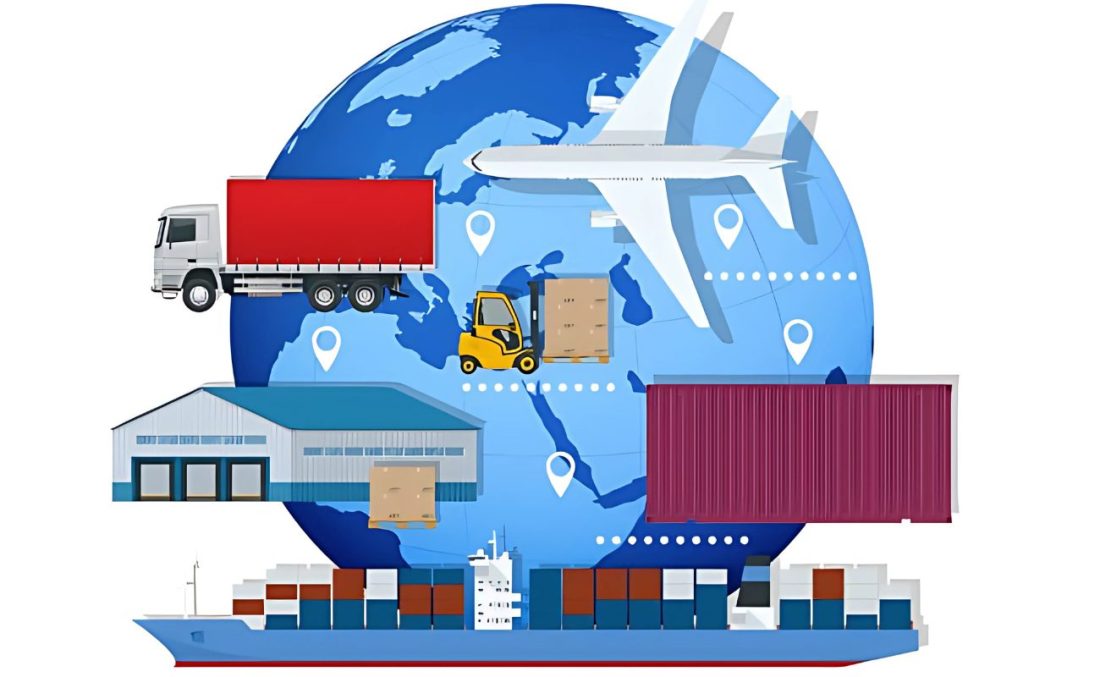

Flexilis Advisory provides end to end sourcing services from all key emerging supply markets in the world

What We Do?

Flexilis Advisory Group offers vital support to importers striving for excellence in managing their supply chains in China. Our signature service, the Flexilis Advisory , delivers a cost-effective and transparent method for handling the challenges of managing complex operations remotely while maximizing supply chain benefits.

Our expert team based in Beijing has specialized in all aspects of supply chain management in China. We are committed to continuously refining our processes to provide the highest level of service to our clients.

What You Get?

Our Services

Pricing​

We monitor and ensure that pricing stays at optimal local market rates

Pricing​

We monitor and ensure that pricing stays at optimal local market rates

Quality Assurance

Every product sourced through Flexilis Advisory goes through our proprietary QA process.

Quality Assurance

Every product sourced through Flexilis Advisory goes through our proprietary QA process.

On time Delivery

We achieve 99% on-time delivery with our systems. Success depends on managing the whole process.

On time Delivery

We achieve 99% on-time delivery with our systems. Success depends on managing the whole process.

Blogs

News & Blogs

  • All Post
RFQ Process Guide

May 14, 2025/

Sourcing from China: RFQ Process Guide In this blog, we will discuss how having a professional China sourcing agency can add value to your RFQ process, and how they will manage...

Rethinking Your China Strategy?

May 14, 2025/

Rethinking Your China Strategy? Read This First As global supply chains evolve, many companies are looking to reduce their reliance on China. Whether driven by tariffs, geopolitical tensions, or the...

Find world Best Services & Resources!

FAQ

Find Out Answers Here

Supply chain management involves overseeing the flow of goods, services, and information from raw material procurement to final product delivery to the end customer. It plays a pivotal role in cost reduction, enhanced efficiency, inventory minimization, and improved customer satisfaction for organizations. Management of the supply chain requires mastery of the “Three Essentials”: price, quality, and on-time delivery. These factors are intricately connected and demand rigorous control to achieve success.

While there are many factors that can disrupt the supply chain, four of the most common are:
Natural disasters
Political instability
Changes in demand for goods and services
Supply chain bottlenecks, such as shortages of raw materials or capacity constraints at factories

Other factors that can disrupt the supply chain include technological failures, labor strikes, and changes in government regulations.

  1. Communication: Dealing with long distance and multiple time zones makes it very difficult to manage China operations in real time from the USA.  Effective management requires an on-site management team and excellent communication skills. 
  2. Cultural and Linguistic Barriers: Navigating global supply chains involves overcoming language and cultural differences, demanding effective cross-cultural communication and understanding.  This is a significant challenge in China because both culture and language are very different.
  3. Demand Forecasting and Responsiveness: Accurately predicting and swiftly adapting to shifts in demand are pivotal for supply chain efficiency.
  4. Risk Management: Proactive risk mitigation strategies are essential for anticipating and mitigating potential disruptions to the supply chain.
  5. Transparency and Control: Maintaining transparency and control throughout the supply chain ensures optimal performance and risk reduction.
  6. Cost-Benefit Analysis: Conducting rigorous cost-benefit analyses aids in decision-making, optimizing resource allocation, and cost control.

Responsible Sourcing: Embracing sustainable practices that align with Flexilis advisory (Environmental, Social, and Governance) standards is crucial for responsible sourcing in modern supply chain management.

-China has nearly 3 million production plants, factories, and workshops covering a broad range of products. China’s low cost of labor and massive labor force led many multinational companies to outsource their manufacturing operations to China in recent decades, and it is often referred to as “the world’s factory.”

-China’s rapid development of infrastructure–a well-developed network of ports, airports, and roads, as well as a large fleet of ships and planes that transport goods around the world–has solidified its leading role in the global supply chain, even as new countries are beginning to challenge China’s supply chain dominance. 

-While China’s role in the global supply chain was impacted by the COVID-19 pandemic, as well as by ongoing trade tensions with the United States, it is likely to continue role in the global supply chain in the long term.

A stable supply chain has minimal disruptions and delays. It requires flexibility and agility in order to adapt to changes in demand as well as contingency planning to respond quickly and effectively to disruptions when they occur. The risk of disruption can be mitigated through diversification of raw materials, suppliers, and transportation routes, as well as strong relationships with suppliers that can help support businesses during times of disruption. Having visibility into the supply chain and clear communication with partners can help organizations anticipate and respond to disruptions more effectively. 

Quality control in your supply chain hinges on effective communication and proactive measures. Expectations and quality standards should be clearly communicated upfront – well before order placement. After order placement, implementing rigorous quality control measures and protocols can help businesses prevent any issues before they arise and ensure the quality of goods and materials meets their standards every time.

  1. Rising Labor Expenses
  2. Safeguarding Intellectual Property
  3. Navigating Environmental Regulations
  4. Trade Disputes and Tariffs
  5. Ensuring ESG and CSR Compliance

Important links

Contact

Flexilis Advisory DMCC
Unit No: 273
DMCC Business Centre
Level No 8, Jewellery & Gemplex 2 Dubai,
United Arab Emirates

This website uses cookies to provide you with the best browsing experience.

Accept
Decline